
Can Small Flatbed Printers Reduce Material Waste in the Printing Process?
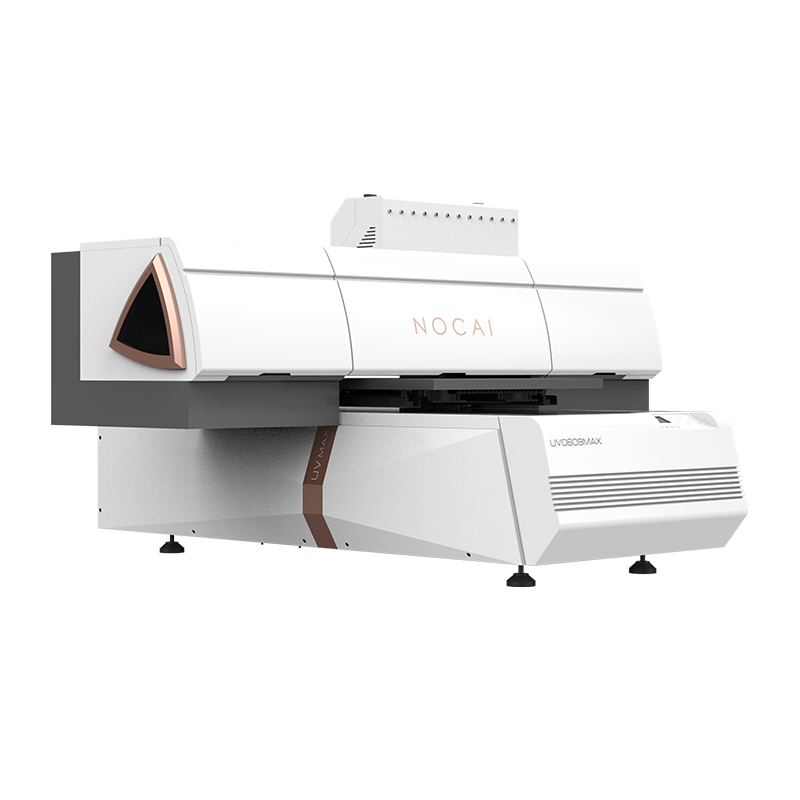
With the growing demand for personalization and small-batch production, reducing material waste in printing has become a key concern. For users new to UV printing technology, a common question is: can small flatbed printers really save more consumables compared to traditional methods? The answer is yes—and here’s a detailed breakdown from multiple perspectives.
- On-Demand Inkjet: Minimizing Unnecessary Consumption
Traditional methods like screen printing, pad printing, or heat transfer require ink mixing, test runs, and calibration in advance—processes that inevitably generate waste. Small flatbed printers, on the other hand, use on-demand inkjet technology. The printhead only sprays ink when a job is being executed and consumes nothing when idle. Whether printing a single sample or a full batch, there’s no “startup loss”—every drop of ink is used effectively.
- No Plate-Making: Eliminating Materials & Chemical Waste
Screen printing requires materials such as mesh frames, photosensitive emulsions, films, and cleaning chemicals. Each design change requires a new plate, often costing from tens to hundreds of RMB, and most materials cannot be reused—resulting in both material waste and chemical waste.
Small flatbed printers work directly from digital files. After processing through RIP software, printing can begin immediately. No plate-making, no film and no chemical waste. For businesses handling multiple designs daily, this alone can save significant costs while reducing environmental impact.
- Easy Positioning: Lower Defect Rates
Another major source of waste is defective prints. In traditional processes, misalignment, color deviation, or registration errors can result in entire batches being scrapped—wasting materials, labor, and time.
Small flatbed printers often feature visual positioning systems or alignment aids, ensuring accurate placement of graphics on the substrate. Before printing, users can preview settings like white ink layers or feathering effects. If adjustments are needed, simply modify the file—no physical materials are wasted. This is especially valuable when printing on high-cost items such as phone cases, gift boxes, or acrylic panels.
- Ink Circulation & Energy Efficiency
Most small flatbed printers use a negative pressure ink supply system with circulation, allowing ink to flow regularly through the lines. This prevents sedimentation and clogging, reducing ink waste during printhead cleaning. When idle, the printhead enters a maintenance mode automatically, so there’s no need for heavy cleaning when restarting.
Besides, power consumption is much lower than large industrial machines. Standby power is typically only a few dozen watts. No long preheating time—print immediately after startup, reducing both ink and electricity waste.
- Potential Waste Risks to Watch Out For
Despite the advantages, improper use can still lead to unnecessary waste:
White Ink Sedimentation:White ink contains heavier particles that can settle if left unused. Regular test prints are recommended to avoid excessive cleaning.
Printhead Maintenance:Poor operation or low-quality ink can damage the printhead, which is costly to replace. Always use reliable ink and follow proper maintenance routines.
Waste Ink Management:Regularly empty waste ink bottles or pads to prevent overflow and contamination.
Small flatbed printers are highly effective in reducing material waste. Their key advantages include, on-demand inkjet eliminates unnecessary consumption, no plate-making reduces material and chemical waste, accurate positioning lowers defect rates and smart ink systems minimize cleaning losses.
For users engaged in personalized customization, small-batch production, or rapid prototyping, a small flatbed printer is not only an efficient production tool but also a more economical and environmentally friendly solution.That said, achieving true cost savings depends on three key factors: reliable equipment, high-quality ink, and proper daily maintenance.
