UV Printing vs. Traditional Screen Printing vs. Digital Inkjet: Core Pros/Cons & Selection Guide
In the field of personalized customization and product decoration, UV printing, traditional screen printing, and digital inkjet are three mainstream surface treatment technologies. Understanding their core differences helps you strike the optimal balance between production efficiency, cost, and quality.
1.Comparison of Process Principles
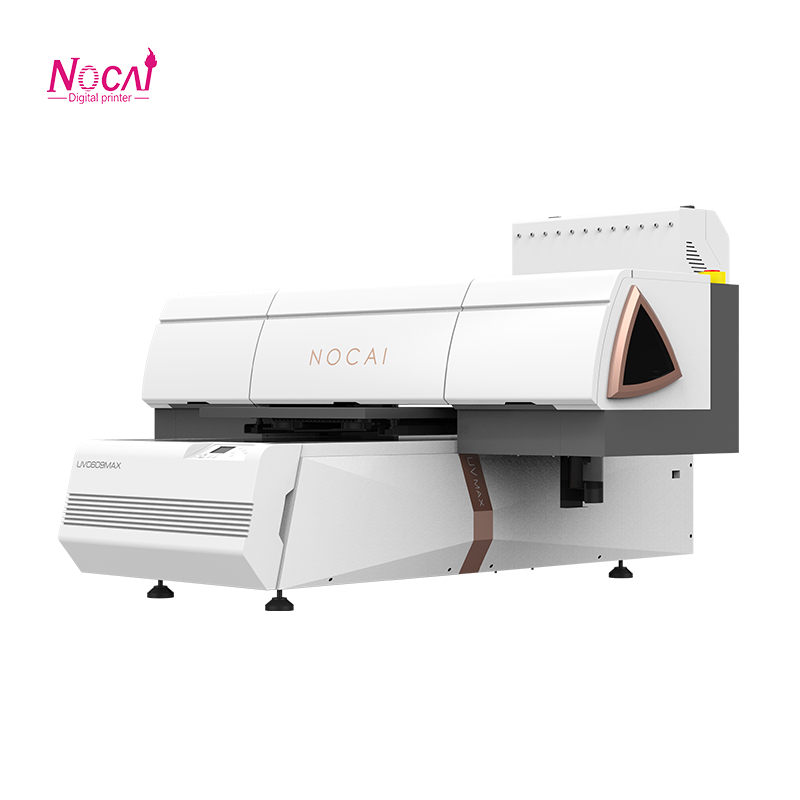
- UV Printing: Uses piezoelectric printheads to jet UV ink onto material surfaces, with instant curing via ultraviolet light. Classified as non-contact digital printing.
- Traditional Screen Printing: Applies ink to substrates through the hollowed-out parts of a screen mesh; a separate screen is required for each color. Classified as contact stencil printing.
- Digital Inkjet: Uses solvent-based or water-based ink, jetted via printheads and dried through natural penetration or heating. Mainly used for adhesive-backed materials.
465516
2.Analysis of Core Advantages
UV Printing:
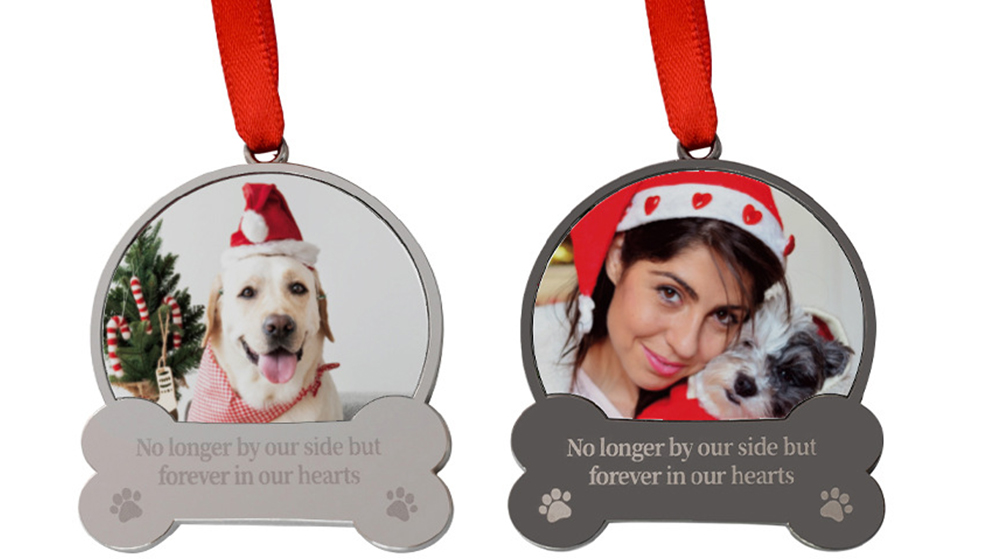
- No plate making required; direct output with flexible minimum order quantity (supports single-unit production).
- Extremely wide material compatibility (hard materials like metal, glass, wood, plastic, ceramics).
- Instant print-and-cure; capable of achieving 3D embossed effects.
- Strong color performance; supports gradient colors and fine-detail images.
465163
Traditional Screen Printing:
- Ultra-low cost for large-batch production (lower unit cost with larger quantities).
- High ink coverage, especially suitable for printing on dark fabrics or dark substrates.
- Compatible with special inks (fluorescent, reflective, temperature-sensitive, etc.).
- Mature and stable process with high color consistency.
54651
Digital Inkjet:
Ultra-large format output (commonly 3–5 meters wide, unlimited length).
Good outdoor weather resistance (especially with solvent-based inks).
Low production cost, suitable for short-term advertising materials.
High production efficiency, ideal for bulk posters, car stickers, etc.
45132
3.Key Limitations
UV Printing:
High equipment investment cost.
Special fixtures required for curved-surface printing.
White ink base needed for printing on transparent materials.
Traditional Screen Printing:
High plate-making cost, not suitable for small-batch production.
Difficulty in aligning multiple colors for overprinting.
Design modifications require re-making screens, resulting in poor flexibility.
High environmental pressure (wastewater from ink cleaning).
Digital Inkjet:
Basically only applicable to flexible materials.
Relatively low image precision (usually 72–144 dpi).
Limited outdoor service life (generally 1–3 years).
Not suitable for direct product decoration.
4.Selection Decision Guide
Choose UV Printing When:
You work with diverse materials, mostly hard ones.
Orders are small-batch and multi-lot.
Designs are complex (gradients, 3D effects, full-color images).
Rapid prototyping or personalized customization is needed.
High environmental requirements must be met.
Choose Traditional Screen Printing When:
You need ultra-large-batch production of a single material (e.g., 10,000+ units).
Special-effect inks are required.
Substrates are textiles or dark-colored substrates.
Patterns are simple with few colors.
Extremely high single-color coverage is required.
Choose Digital Inkjet When:
You need extremely large-format output (e.g., billboards, car wraps).
Materials are for short-term outdoor use (event ads, exhibition graphics).
Substrates are paper or flexible adhesive-backed materials.
Image precision requirements are low.
Budget is limited and rapid prototyping is needed.
5.Future Trends
With the rise of personalized consumption, UV printing’s market share is growing rapidly, especially in small-to-medium-batch customization. Traditional screen printing remains irreplaceable in standardized ultra-large-batch production, while digital inkjet maintains its leading position in large-format outdoor advertising.
It is recommended that enterprises select the most suitable process based on their product characteristics, order scale, and quality requirements, or adopt a combined strategy of “UV printing + traditional screen printing” to balance flexibility and cost advantages.